Delicate and elegant extra virgin olive oils are distinguished by their harmonious flavor, fresh aromas, and pleasing smoothness. These well-balanced oils offer a moderate intensity, enhancing a wide variety of dishes without overpowering them.
Their elegance comes from the perfect balance of aromas and flavors, with subtle bitterness and a gentle peppery finish that make every tasting experience refined and enjoyable.
What Does “Delicate” Extra Virgin Olive Oil Mean?
A delicate extra virgin olive oil has a light yet distinctive flavor profile. Its fruitiness, bitterness, and pungency are all present, but remain perfectly balanced and never overwhelming.
Delicate does not mean lacking in character. A high-quality extra virgin olive oil always retains its freshness, vibrant aromas, and rich aromatic complexity while maintaining a smooth, balanced taste.
The Sensory Profile
On the nose, it reveals fresh, clean aromas with notes of freshly cut grass, green almond, tomato leaf, and artichoke. In some cases, delicate floral hints can also be detected.
On the palate, it is smooth and velvety. Its mild bitterness and gentle peppery notes are perfectly integrated with the fruitiness, creating a harmonious and well-balanced flavor. The finish is fresh, pleasant, and leaves a refined, lingering aftertaste.
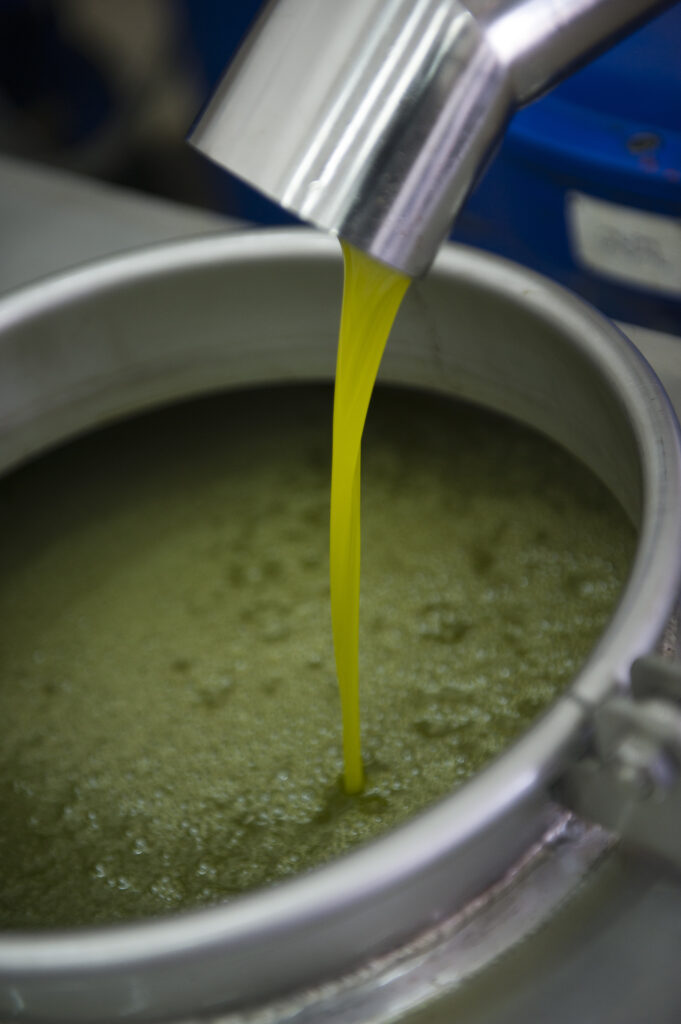
What Makes It Delicate?
The delicate character of an extra virgin olive oil depends on several factors. One of the most important is the olive variety, as each cultivar has its own distinctive sensory characteristics.
The ripeness of the olives at harvest also plays a key role. Olives harvested at a more advanced stage of ripeness generally produce oils with a softer, milder flavor profile.
Finally, prompt processing after harvest and cold extraction are essential to preserve the oil’s fresh aromas, natural freshness, and overall quality.
Food Pairings
Thanks to its balanced character, delicate extra virgin olive oil pairs effortlessly with a wide variety of dishes.
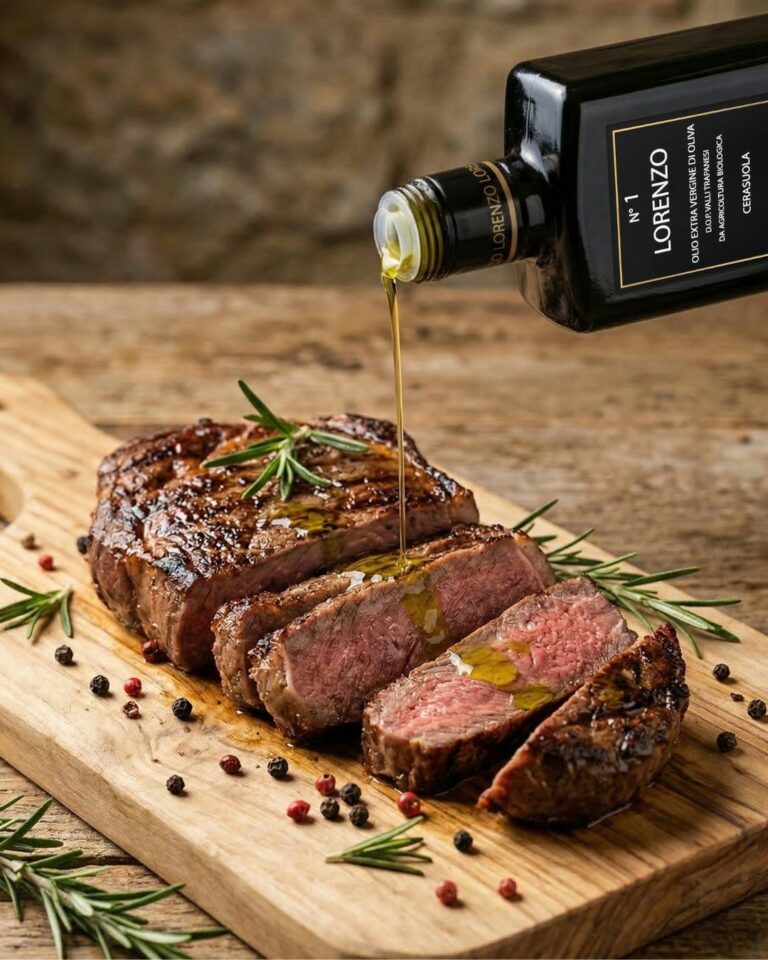
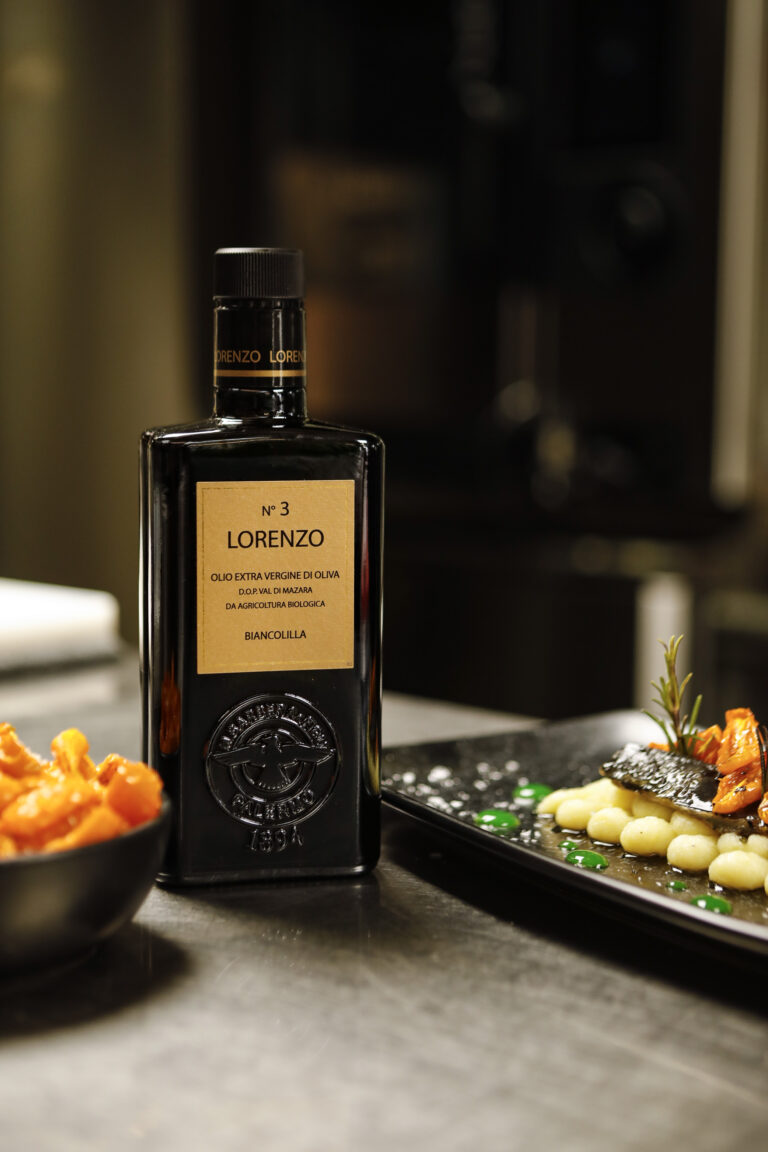
It is ideal as a finishing oil for fish, shellfish, carpaccio, white meats, mozzarella, burrata, fresh ricotta, vegetables, salads, potatoes, legumes, creamy soups, and vegetable purées.
It is also perfect for preparing light sauces and marinades, adding delicate aroma and a smooth, refined texture.
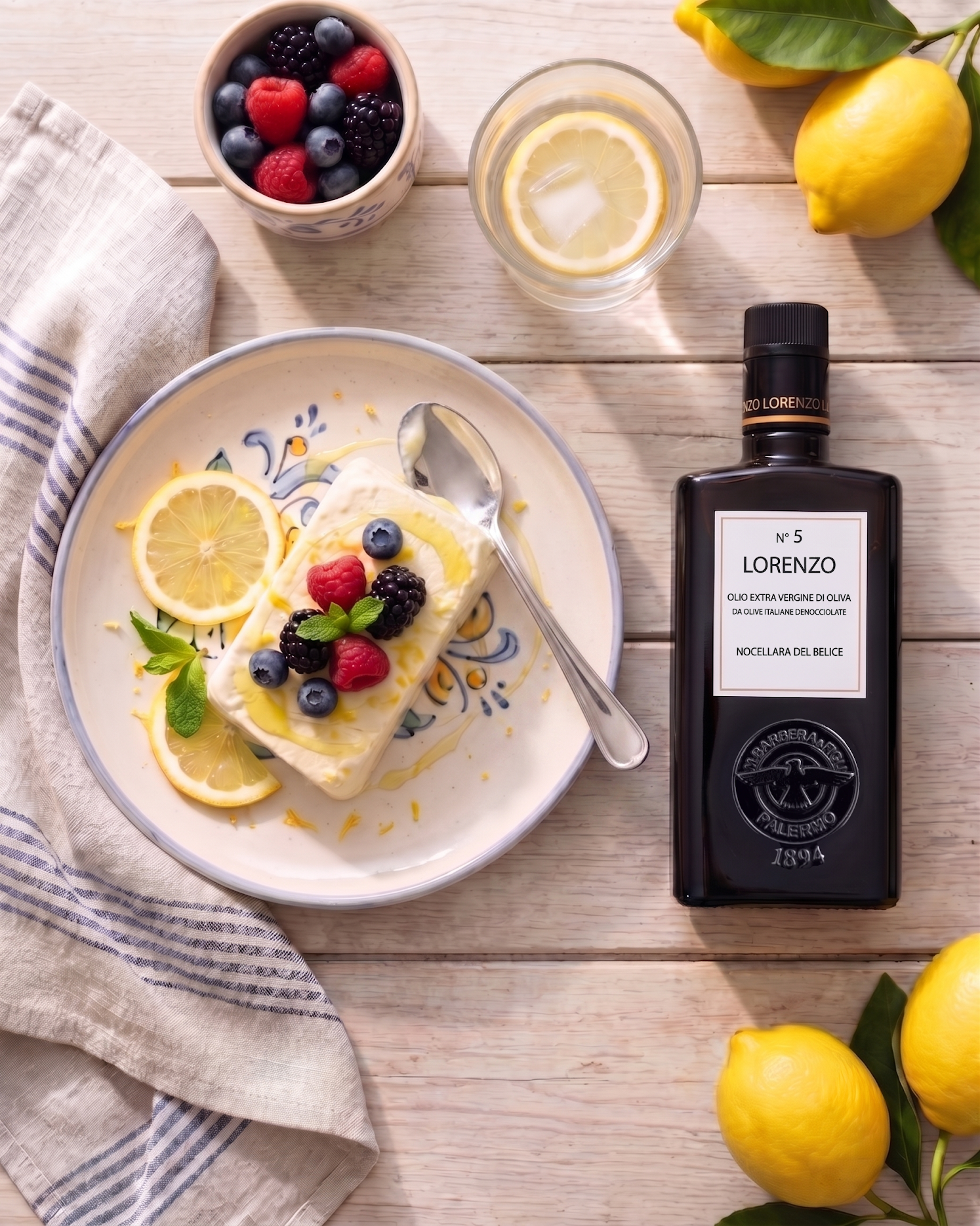
In baking, it can replace butter in many recipes, including cakes, loaf cakes, and biscuits, giving baked goods a fragrant aroma and a subtle vegetal note.
How to Recognize a High-Quality Delicate Extra Virgin Olive Oil
A high-quality delicate extra virgin olive oil is recognized by its fresh, clean aromas and its well-balanced flavor.
Its bitterness and peppery notes should be gentle yet clearly present, harmoniously complementing the oil’s fruitiness. A good delicate olive oil leaves a pleasant sensation of freshness and an elegant, lingering finish.
Choosing a delicate extra virgin olive oil means bringing a versatile, premium-quality ingredient to the table—one that enhances a wide range of dishes with balance, elegance, and refinement.